
Japanese flameless candles offer a captivating blend of serenity and sophistication, transforming spaces with their subtle glow and evocative design. This aesthetic, deeply rooted in Japanese design principles, seamlessly integrates natural elements and understated elegance, creating a tranquil atmosphere perfect for homes, offices, and retail settings. From the delicate hues to the intricate patterns, the Japanese flameless candle aesthetic is a testament to mindful design.
Key visual elements often include minimalist shapes, natural materials like wood and bamboo, and muted color palettes evoking a sense of calm and harmony. The aesthetic draws heavily on Japanese design principles like wabi-sabi, emphasizing the beauty found in imperfection and the appreciation for natural elements.
Defining the Aesthetic
The Japanese flameless candle aesthetic is a visually captivating trend that emphasizes tranquility and sophistication. It transcends the mere function of illumination, transforming spaces into serene retreats. This style draws inspiration from Japanese design principles, fostering a sense of harmony and mindfulness. This aesthetic goes beyond simple illumination, inviting a sense of calmness and connection to nature.
Visual Elements and Design Principles
Japanese aesthetics often prioritize simplicity and natural forms. The key design principles include minimalism, a focus on negative space, and a harmonious balance of elements. Flameless candles, in this context, become more than just light sources; they’re integral components of a carefully curated ambiance. The aesthetic aims to create a tranquil and serene atmosphere. This is achieved through a thoughtful consideration of colors, textures, and patterns.
Key Colors, Patterns, and Textures
A palette of soft, muted tones, such as warm creams, muted grays, and subtle blues, is frequently employed. These colors evoke a sense of calm and serenity, mirroring the natural world. Intricate patterns inspired by Japanese art, including traditional motifs like cherry blossoms, bamboo, and koi fish, often grace the designs. Natural textures, like wood, stone, and woven textiles, are incorporated to enhance the sense of warmth and authenticity.
The overall visual harmony fosters a serene atmosphere.
Mood and Atmosphere
The aesthetic aims to evoke a serene and tranquil mood. The use of soft light, natural tones, and calming patterns contribute to a sense of peace and well-being. This is particularly evident in the careful arrangement of elements within a space, which promotes a sense of calm and introspection. The flameless candles, with their gentle glow, become a key element in creating this mood.
Applications in Various Settings
The Japanese flameless candle aesthetic can be seamlessly integrated into diverse settings. In homes, it can transform a living room or bedroom into a haven of tranquility. In offices, it can create a more soothing and productive work environment. Retail spaces can utilize this aesthetic to create a unique and inviting atmosphere for customers. The careful selection of elements contributes to the desired mood and ambiance.
Variations of the Aesthetic
| Variation | Description | Key Features |
|---|---|---|
| Minimalist | Emphasizes simplicity and clean lines. | Neutral colors, uncluttered designs, focus on functionality, use of natural materials |
| Traditional | Draws inspiration from traditional Japanese art and design. | Intricate patterns, rich colors, use of natural motifs (cherry blossoms, bamboo), delicate details |
| Modern | Combines traditional elements with contemporary design principles. | Clean lines, modern materials, muted color palettes, contemporary interpretation of traditional patterns |
This table illustrates the different approaches to the Japanese flameless candle aesthetic. Each variation offers a distinct interpretation of the principles, allowing for adaptability to various tastes and preferences. The selection of elements is key to achieving the desired mood and atmosphere.
Cultural Influences
The Japanese flameless candle aesthetic draws heavily on centuries of cultural traditions and design principles, creating a unique blend of serenity and sophistication. This fusion of ancient artistry and modern sensibilities is evident in the meticulous attention to detail, the use of natural elements, and the incorporation of symbolic imagery. The design philosophy emphasizes a harmonious connection with nature and a deep appreciation for the beauty of simplicity.The aesthetic is rooted in Japanese design philosophies, including wabi-sabi, which embraces the beauty of imperfection and impermanence.
This concept finds expression in the subtle variations in materials and the intentional acceptance of natural aging processes, contrasting sharply with the emphasis on flawless perfection found in other design traditions. The approach emphasizes a meditative quality, reflecting the Japanese pursuit of inner peace and mindfulness.
Historical and Cultural Roots
Japanese aesthetics have deep historical roots in the country’s rich cultural heritage. The influence of Zen Buddhism, with its emphasis on mindfulness and the appreciation of natural beauty, is profoundly felt in the aesthetic. Traditional Japanese gardens, for example, epitomize this philosophy by carefully arranging natural elements to evoke a sense of tranquility and harmony with the surrounding environment.
This emphasis on natural materials and subtle beauty aligns closely with the principles of wabi-sabi.
Influence of Japanese Design Principles
Japanese design principles, particularly wabi-sabi and minimalism, play a crucial role in shaping the flameless candle aesthetic. Wabi-sabi embraces the beauty of imperfections, finding elegance in asymmetry and natural aging. This philosophy permeates the aesthetic’s appreciation for natural materials and subtle variations in texture and color. Minimalism, in turn, focuses on simplicity and functionality, eliminating unnecessary elements to highlight the essence of the design.
This emphasis on essential elements translates directly to the understated elegance of the flameless candle designs.
Comparison with Related Styles
While the flameless candle aesthetic draws inspiration from Japanese design, it also exhibits unique characteristics. Compared to other minimalist styles, it often incorporates a greater emphasis on natural materials and symbolic imagery, showcasing a deeper connection to Japanese tradition. In contrast to contemporary minimalist designs that may prioritize sleek lines and geometric forms, the Japanese flameless candle aesthetic frequently embraces organic shapes and textured surfaces.
Significance of Natural Elements
Natural elements are central to the Japanese flameless candle aesthetic. Materials like wood, bamboo, and stone, sourced from nature, are often employed. These elements contribute to the overall sense of tranquility and connection with the natural world. The use of natural materials and earthy tones promotes a harmonious atmosphere.
Examples of Traditional Japanese Art Forms
The flameless candle aesthetic finds inspiration in numerous traditional Japanese art forms. Ikebana, the art of flower arrangement, emphasizes the delicate beauty of natural forms and their integration into a minimalist composition. Similarly, the intricate artistry of traditional Japanese calligraphy and woodblock prints often features subtle lines and patterns that complement the aesthetic.
Table of Cultural Symbols and Motifs
| Symbol/Motif | Description | Significance |
|---|---|---|
| Bamboo | Straight, resilient stalks | Represents strength, flexibility, and endurance |
| Cherry blossoms | Ephemeral beauty | Symbolizes fleeting beauty and impermanence |
| Water | Flowing, ever-changing | Represents purity, tranquility, and harmony |
| Japanese calligraphy | Symbolic characters | Adds a sense of cultural depth and meaning |
Flameless Candle Characteristics
Japanese flameless candles, a key element in the evolving aesthetic, are carefully curated to evoke a serene and sophisticated ambiance. Their design choices, from shape and size to the light they emit, contribute significantly to the overall visual appeal and emotional response. The materials used and the interaction of the light with the surroundings further enhance the candle’s role in the space.Flameless candles in this aesthetic are not merely functional substitutes; they are meticulously crafted pieces of design.
Their characteristics are as important as the surrounding décor, creating a harmonious interplay between the candle and the environment.
Candle Shape, Size, and Color
The shape of flameless candles often mimics traditional Japanese aesthetics, with smooth, flowing lines and subtle curves. Common shapes include cylindrical, tapered, and even stylized representations of natural elements like bamboo or blossoms. Size is carefully considered, ranging from miniature pieces for accentuating smaller spaces to larger, more impactful designs that command attention. Color palettes are often drawn from the natural world, featuring soft, muted tones like creams, beiges, and warm grays.
These colors, carefully chosen, blend seamlessly with the surrounding décor and create a calming effect. Specific colors can also be used to complement the surrounding colors or materials, adding to the overall harmony.
Materials Used
The materials used in flameless candles are carefully selected to align with the aesthetic’s emphasis on quality and sustainability. Often, these candles utilize high-quality, heat-resistant polymers to ensure longevity and safety. Some designs incorporate accents of natural materials, such as wood or bamboo, adding an organic element to the overall design. The selection of materials plays a vital role in maintaining the candle’s durability and visual appeal, extending its lifespan while adhering to the aesthetic’s commitment to natural design principles.
Light Emitted and Ambiance
The light emitted by these flameless candles is a crucial element of the overall ambiance. Unlike traditional candles, flameless candles emit a soft, diffused glow that is warm and inviting. This light often has a slightly dimmer intensity compared to traditional candles, adding to the calm and serene atmosphere. The light source is often carefully positioned and diffused to avoid harsh shadows, ensuring a pleasant and even glow.
This subtle, gentle light contributes significantly to the serene and sophisticated atmosphere.
Interaction with Surroundings
The light from flameless candles interacts beautifully with the surrounding environment. The soft glow reflects off surfaces, creating a gentle play of light and shadow. In rooms with reflective elements, such as mirrors or polished surfaces, the light is amplified, creating a sense of depth and spaciousness. Careful consideration is given to the positioning of the candles to ensure optimal light distribution and interaction with the surrounding space.
The subtle interplay of light and shadow enhances the overall aesthetic and creates a more visually engaging experience.
Flameless vs. Traditional Candles
| Characteristic | Flameless Candle | Traditional Candle |
|---|---|---|
| Aesthetics | Soft, diffused light; often incorporates natural design elements; variety of shapes and sizes | Flickering flame; traditional shapes; often associated with a rustic aesthetic |
| Safety | No open flame, eliminating fire hazard; lower risk of accidental burns | Open flame, presents fire risk; potential for burns and damage |
| Practicality | Longer lifespan due to no need for frequent replacement; easier to maintain; no need for constant vigilance | Shorter lifespan; requires regular replacement; requires attention and vigilance to prevent hazards |
Product Design and Presentation
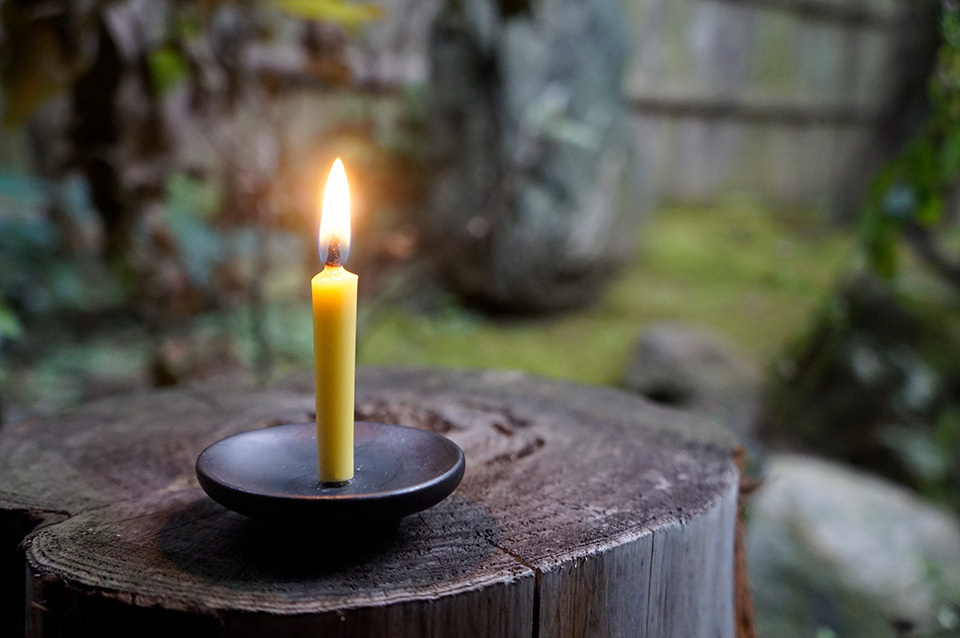
Japanese flameless candles, with their emphasis on minimalist aesthetics and natural materials, demand thoughtful design and presentation. The visual experience is as important as the scent and ambiance, creating a holistic sensory journey that resonates with the Japanese appreciation for serenity and harmony. The presentation strategy should communicate the candle’s essence, emphasizing its craftsmanship and connection to nature.
Product Design Examples
Japanese flameless candles often feature sleek, understated designs. Common shapes include cylindrical forms, which evoke a sense of calm and stillness, and minimalist, geometric shapes that emphasize the candle’s essence rather than elaborate embellishments. Materials like polished wood, bamboo, or ceramic, frequently found in Japanese design, lend a natural warmth and visual appeal. These elements complement the candle’s subtle light, creating a cohesive aesthetic that complements the space.
Presentation and Display
The presentation of flameless candles is crucial to enhancing the aesthetic experience. Placement in well-lit spaces, such as beside a carefully curated collection of books or in a corner of a room with a view, highlights the candles’ subtle glow. Displays should be uncluttered and avoid overwhelming the candles’ quiet elegance. Positioning them in spaces with natural light, such as near a window, can amplify the product’s serene aura.
Natural Materials
Incorporating natural materials is paramount to the Japanese flameless candle aesthetic. Bamboo, wood, and ceramic are frequent choices, lending a sense of grounded tranquility. The warm tones and textures of these materials connect with the Japanese appreciation for natural beauty, harmonizing with the candle’s soft glow. Their use conveys a sense of sustainability and environmentally conscious design.
Packaging
The packaging of flameless candles plays a vital role in maintaining the aesthetic. Minimalist designs, often employing muted colors and natural textures, are common. Recycled or sustainable materials, such as kraft paper or biodegradable plastics, reinforce the eco-friendly aspect of the product. The packaging should be understated, allowing the candle’s design to take center stage.
Lighting for Showcasing
Lighting plays a critical role in showcasing flameless candles. Soft, ambient lighting, rather than harsh spotlights, enhances the candle’s gentle glow. Natural light, when possible, creates a harmonious setting, highlighting the candle’s delicate light. Using a warm-toned lighting scheme helps to enhance the serene and calming atmosphere the candles are intended to create.
Product Category Table
| Product Category | Description | Example Materials |
|---|---|---|
| Candles | The core product, often in sleek, cylindrical or minimalist shapes. | Glass, ceramic, bamboo, wood |
| Diffusers | Adding fragrance to the space, often with a complementary design. | Glass, ceramic, wood, metal |
| Decorative Items | Complementary objects to enhance the space, such as trays or stands. | Wood, ceramic, metal, stone |
Space and Atmosphere
Japanese flameless candles, with their minimalist design and focus on serene ambiance, thrive in spaces that echo the principles of Japanese aesthetics. The goal is to create a soothing and visually appealing environment that complements the candle’s gentle glow and subtle fragrance. This involves thoughtful consideration of both the surrounding environment and the arrangement of the candle itself within the space.The ideal space for showcasing this aesthetic is one that prioritizes calm and tranquility.
Natural light and elements, such as plants, are key to achieving this effect. The atmosphere generated by these candles is one of gentle warmth and subtle sophistication, promoting a sense of calm and introspection. The soft, diffused light creates a cozy and inviting space perfect for relaxation or contemplation.
Ideal Space Characteristics
This aesthetic thrives in spaces that emphasize natural elements and minimalist design. Open and airy rooms with ample natural light are ideal, but well-lit and thoughtfully arranged spaces can also achieve the desired effect. Rooms with natural wood accents, stone surfaces, or neutral color palettes enhance the aesthetic’s harmony.
Atmosphere Creation
The atmosphere created by Japanese flameless candles is one of quiet contemplation and gentle warmth. The soft, diffused light minimizes harsh shadows, promoting a feeling of serenity and introspection. The subtle fragrance, if present, further contributes to the overall ambiance, enhancing the calming and soothing effect. The absence of flickering flames allows for a focused experience, free from distractions.
Accessory Integration
Accessories play a crucial role in amplifying the aesthetic’s appeal. Plants, such as bamboo, ferns, or bonsai, add a touch of nature’s tranquility. Natural textiles, like linen or cotton, in neutral colors like beige, gray, or white, provide a soft and inviting touch. Small, strategically placed decorative items, like handcrafted pottery or minimalist sculptures, can further enrich the space without overwhelming the candle’s gentle presence.
The key is subtle integration, not overwhelming display.
Lighting Considerations
Lighting is paramount in creating the desired ambiance. Natural light should be maximized. Ambient lighting, such as warm-toned LED lamps or string lights, complements the candle’s soft glow, preventing harsh shadows and creating a balanced illumination. The goal is not to replace the candle’s light but to enhance its subtle warmth and create a harmonious interplay of light sources.
Space Layout and Arrangement
The layout of the space should be thoughtfully considered to enhance the overall aesthetic. A minimalist approach is key. Cluttered spaces can detract from the serenity and calm associated with the Japanese aesthetic. Arrange furniture and decor to create a sense of spaciousness and flow. Consider the placement of the candles to create focal points that complement the natural light and the overall atmosphere.
Room Setting Examples
| Room Setting | Aesthetic Application |
|---|---|
| Living Room | Place candles on coffee tables, side tables, or windowsills. Use natural elements like potted plants and bamboo accents. Incorporate neutral-colored textiles for a warm, inviting feel. |
| Bedroom | Position candles on bedside tables or nightstands. Use soft, neutral bedding and linens. Add a small, minimalist sculpture or decorative item. Prioritize calming colors like lavender or sage green. |
| Meditation Space | Place candles on a low table or altar. Use calming colors and minimalist decor. Incorporate natural elements like stones or crystals. Create a space that promotes tranquility and focus. |
Materials and Textures
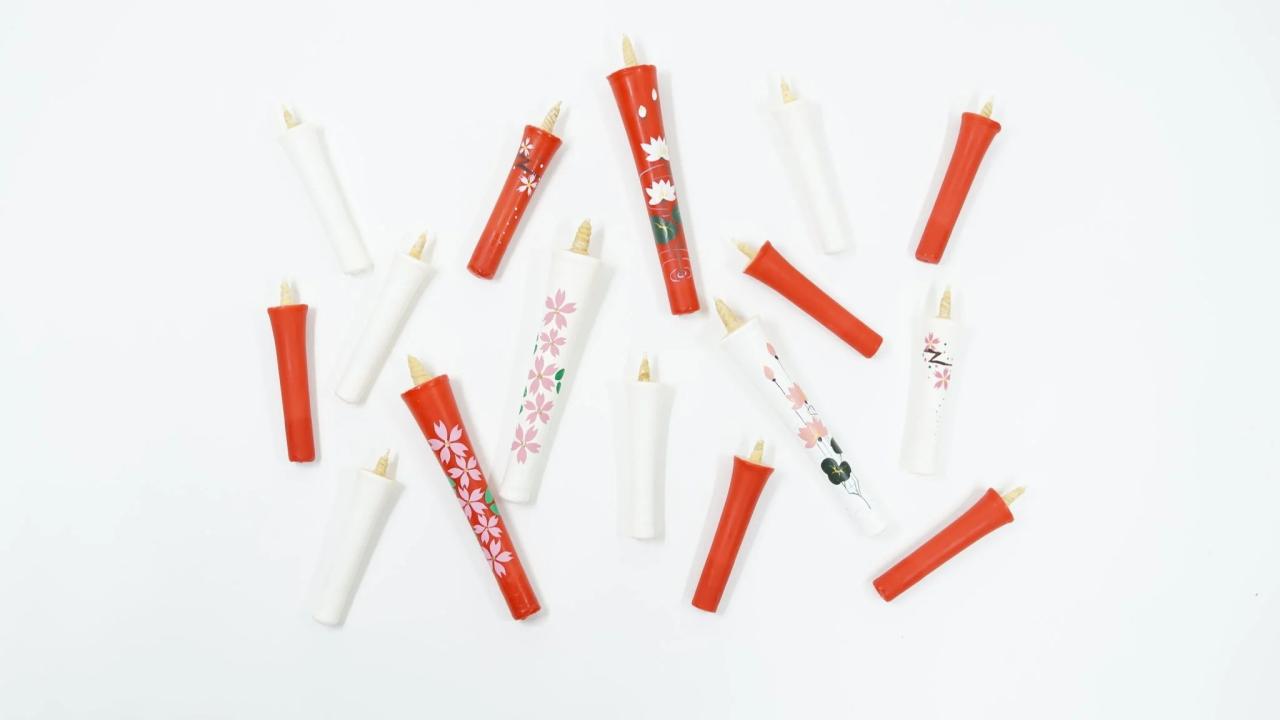
The tactile experience of Japanese flameless candles is as crucial as their visual appeal. Careful selection of materials and textures contributes significantly to the overall sense of serenity and sophistication associated with the aesthetic. These elements, when thoughtfully combined, elevate the flameless candle from a simple functional object to a source of ambient atmosphere.The choice of materials and textures for Japanese flameless candles reflects a deep-seated appreciation for natural beauty and craftsmanship.
This translates into a preference for materials that evoke a sense of warmth, tranquility, and connection to nature. This deliberate selection of materials underscores the importance of tactile experiences in creating a truly immersive and engaging aesthetic.
Common Materials
Japanese flameless candles frequently utilize materials that are both visually appealing and environmentally conscious. Wood, stone, ceramic, and metal are popular choices, each offering unique qualities that contribute to the overall aesthetic. Bamboo, with its natural striations and lightness, is particularly well-suited to a contemporary design, while porcelain or stoneware offers a more traditional and refined appearance.
Textures and Finishes
The finishes and textures of these materials are carefully considered. Smooth, polished surfaces are often paired with rough-hewn or textured elements, creating a dynamic contrast. This contrast isn’t arbitrary; it’s a conscious decision to evoke a sense of natural harmony. For example, a smooth ceramic base might complement a textured bamboo lid, or a rough-hewn wooden frame could be paired with a polished metal accent.
Importance of Natural Materials
The integration of natural materials is vital to the Japanese flameless candle aesthetic. Bamboo, rattan, or wood are frequently incorporated to convey a sense of warmth, grounding, and connection to nature. This emphasis on natural elements isn’t merely decorative; it’s a deliberate effort to evoke a sense of serenity and mindfulness. The soft, natural textures of these materials help to create a peaceful and calming atmosphere.
Role of Natural Elements in Serenity
Natural elements, such as wood grain, stone patterns, or the subtle sheen of bamboo, subtly contribute to a feeling of calm and tranquility. The warmth of wood, the coolness of stone, and the subtle textures of natural fibers all create a sense of grounding and presence. This focus on natural elements allows the user to connect with the surrounding environment and cultivate a sense of serenity within their own space.
Examples of Combined Textures
A candleholder crafted from polished black obsidian, featuring a subtly etched bamboo lid, showcases a beautiful combination of textures. The smooth, cool obsidian base contrasts with the warm, natural texture of the bamboo lid, creating a captivating visual and tactile experience. Another example might involve a ceramic candleholder with a natural wood base, with a metal flameless candle insert.
Materials and Textures Table
| Material | Texture | Visual Impact |
|---|---|---|
| Bamboo | Natural, striated, light | Adds a sense of natural warmth and grounding |
| Ceramic | Smooth, polished, or matte | Provides a classic, refined, and sophisticated feel |
| Stone (Obsidian) | Smooth, cool, sometimes with patterns | Adds a touch of elegance and sophistication, sometimes a sense of mystery |
| Metal (e.g., Copper, Brass) | Smooth, polished, or brushed | Offers a modern and sometimes warm touch, depending on the metal finish |
Color Palette and Imagery
Japanese flameless candles, steeped in a deep-rooted cultural aesthetic, utilize color palettes that evoke tranquility and connection to nature. The careful selection of hues and imagery creates a sensory experience that resonates with traditional Japanese values, particularly the emphasis on harmony and mindfulness. This meticulous approach extends beyond simple visual appeal, incorporating symbolic meaning and a profound connection to the surrounding environment.The color palette often leans towards soft, muted tones, reflecting the natural beauty of Japanese landscapes.
These palettes are designed to foster a sense of serenity and calmness, drawing inspiration from the subtle gradations found in the seasons. Natural imagery, often integrated into the candle design, further reinforces this connection to the environment.
Typical Color Palette
The typical color palette for Japanese flameless candles often includes muted pastels, earthy tones, and shades reminiscent of Japanese nature. These colors include soft blues, calming greens, warm beiges, and subtle pinks. This palette creates a soothing ambiance and a strong visual link to the natural world.
Symbolic Associations of Colors
Japanese culture attaches symbolic meaning to colors. For example, the color green symbolizes nature and growth, a common theme in flameless candle design. Blue often represents serenity and peace, while warm beiges and creams evoke the feeling of warmth and comfort. These associations add layers of meaning to the candles beyond their visual appeal.
Natural Imagery
Natural imagery, such as blossoming cherry blossoms, bamboo forests, or stylized depictions of mountains, frequently appears in Japanese flameless candle designs. These elements are not just decorative; they are symbolic of Japanese aesthetics, drawing inspiration from the country’s rich natural heritage. The inclusion of such imagery deepens the connection to nature, fostering a sense of tranquility and appreciation for the environment.
For example, a candle featuring a delicate rendering of cherry blossoms during full bloom evokes a sense of springtime and renewal.
Color Combinations Enhancing the Aesthetic
Specific color combinations can significantly enhance the Japanese flameless candle aesthetic. Combinations like soft blues and greens, evoking a tranquil forest scene, or warm beiges and creams, mimicking the warmth of a Japanese teahouse, are particularly effective. Furthermore, combinations incorporating subtle pinks and creams, representing gentle light and serenity, are also highly effective.
Importance of Color Harmony
Color harmony is paramount in crafting a balanced and aesthetically pleasing design. Carefully chosen color combinations that complement and enhance one another create a cohesive and harmonious visual experience. The use of a limited color palette with subtle variations allows the focus to remain on the design elements, not just the colors themselves. This approach fosters a feeling of tranquility and promotes a deeper appreciation for the subtle nuances in the color choices.
Color Palettes and Visual Effects
| Color Palette | Visual Effect |
|---|---|
| Muted Blues & Greens | Tranquil, calming, reminiscent of a forest scene |
| Warm Beiges & Creams | Inviting, comforting, evoking the warmth of a traditional Japanese setting |
| Subtle Pinks & Creams | Gentle, serene, representing soft light and a peaceful atmosphere |
| Deep Greens & Browns | Earthy, grounded, reflecting the natural beauty of Japanese landscapes |
Visual Inspiration
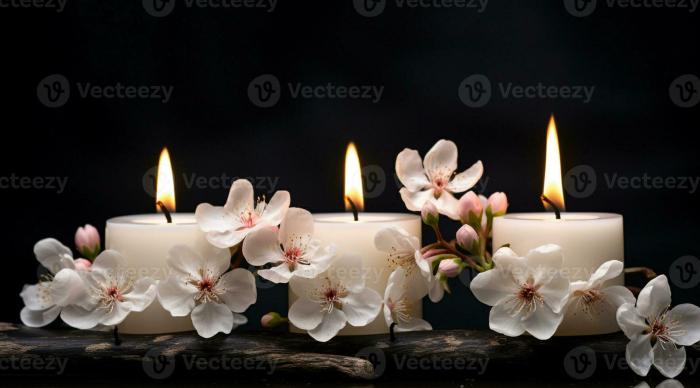
Japanese flameless candles, with their emphasis on serene aesthetics, draw profound visual inspiration from traditional Japanese art forms. This translates into a distinct design language that evokes tranquility and cultural resonance. The interplay of minimalist shapes, subtle color palettes, and symbolic imagery crafts an experience that transcends the purely functional.Japanese aesthetics, deeply rooted in nature and philosophical principles, permeate the flameless candle designs.
This manifests in the careful selection of materials, patterns, and imagery, all working together to create a harmonious and evocative atmosphere. The aesthetic strives for a balance between the practical and the poetic, creating a tangible connection to Japanese culture.
Sources of Visual Inspiration
Japanese art forms, from centuries-old woodblock prints to intricate calligraphy, provide a rich tapestry of visual inspiration. The aim is to capture the essence of these artistic traditions, translating their principles into a modern, flameless candle format. The visual language incorporates elements of nature, such as flowing water or delicate blossoms, often represented in stylized and symbolic forms.
Japanese Patterns and Motifs
Traditional Japanese patterns, like the swirling patterns of a sumi-e painting or the delicate floral motifs in a hand-painted screen, are frequently incorporated. These patterns, often imbued with symbolic meaning, enhance the visual appeal and cultural resonance of the flameless candles. The subtle variations in these motifs allow for a diverse range of expressions within the overall aesthetic. Geometric patterns, often found in traditional Japanese architecture and textiles, can also be incorporated, adding a sense of order and balance to the design.
Calligraphy and its Artistic Implications
Japanese calligraphy, with its emphasis on brushstrokes and fluidity, lends a unique artistic dimension to the flameless candle designs. The graceful strokes of calligraphy, when applied to the candle’s design, create a sense of movement and sophistication. The choice of characters can be deeply symbolic, representing concepts like serenity, harmony, or good fortune. The calligraphy’s artistic implications extend beyond simple decoration, acting as a powerful visual element that communicates a profound connection to Japanese aesthetics.
The application of calligraphy often uses contrasting inks or colors to create visual interest.
Flameless Candle Design Inspiration
The design of the flameless candles draws inspiration from various aspects of Japanese culture. Traditional Japanese architecture, with its emphasis on natural light and open spaces, often inspires the candle’s shape and overall presentation. The use of natural materials, like bamboo or wood, in the candle holders further underscores the connection to Japanese aesthetics. The candle’s form can mimic traditional Japanese crafts like pottery or lacquerware.
Japanese Aesthetics in the Overall Design
The overall design of the flameless candles is deeply influenced by Japanese aesthetics. These aesthetics emphasize simplicity, natural materials, and a deep connection to nature. The designs often feature subtle color palettes that evoke feelings of calm and serenity. The careful arrangement of elements in the candle’s presentation, often mirroring traditional Japanese gardens, adds a sense of order and tranquility to the experience.
Visual Inspiration Table
| Art Form | Inspiration Example | Design Application |
|---|---|---|
| Sumie | Intricate ink wash paintings of nature | Subtle ink-wash patterns on the candle holder or the candle’s base |
| Ukiyo-e | Woodblock prints of landscapes, figures, and everyday life | Stylized motifs from Ukiyo-e prints on the candle holder |
| Ikebana | The art of flower arrangement | Delicate flower arrangements or stylized flower motifs on the candle holder |
| Traditional Japanese Architecture | Emphasis on natural light and open spaces | The candle holder’s shape and presentation to create a sense of spaciousness |
Practical Applications and Considerations
The Japanese flameless candle aesthetic, with its emphasis on understated elegance and serene ambiance, transcends the purely decorative. Its practical applications extend beyond simply adding visual appeal to a space, offering a nuanced approach to daily living and a pathway to incorporating tranquility into various settings.This aesthetic’s versatility lies in its adaptability to diverse environments, from minimalist homes to traditional spaces, while consistently promoting a calming and inviting atmosphere.
Careful consideration of materials, textures, and lighting, crucial components of this style, will contribute to the long-term integrity and maintenance of the desired ambiance.
Everyday Applications
This aesthetic seamlessly integrates into daily life. The soft, warm glow of flameless candles can be used to set the mood for relaxation after a long day. Their flicker-free illumination is perfect for tasks requiring focused concentration, like reading or working from home. The subtle warmth and ambient lighting provide a sense of comfort and peacefulness, enhancing the quality of life in any setting.
Additionally, the design often emphasizes simplicity and functionality, making it easy to incorporate into existing routines without significant disruption.
Incorporating into Various Spaces
The adaptability of the Japanese flameless candle aesthetic makes it ideal for diverse spaces. In a minimalist living room, a collection of subtly colored candles can act as a focal point, drawing the eye while adding a touch of warmth. In a traditional Japanese-style room, the aesthetic complements the existing design language, creating a harmonious and serene environment.
The careful selection of candle colors and shapes can tailor the aesthetic to match the specific character and style of the room.
Maintaining Aesthetic Integrity
Maintaining the integrity of this aesthetic over time hinges on several factors. Regular cleaning and dusting of candle holders and surrounding surfaces are crucial to prevent buildup and maintain the aesthetic’s pristine appearance. Replacing worn-out or damaged components, such as candle holders or diffuser covers, ensures the aesthetic remains cohesive and harmonious. Consistent attention to detail and a mindful approach to upkeep are key to preserving the refined ambiance of the space.
Sustainable Practices
Sustainable practices are integral to the design and production of flameless candles. Choosing candle holders and diffusers crafted from recycled or sustainably sourced materials minimizes environmental impact. The use of eco-friendly fragrances and natural dyes in candle formulations further aligns with sustainable practices. Opting for energy-efficient flameless candle technologies contributes to lower energy consumption, reducing the overall environmental footprint.
Budget-Friendly Options
Achieving this aesthetic on a budget involves strategic choices. Look for affordable candle holders made of simple, natural materials like ceramic or wood. Consider purchasing a collection of candles with varying shades and sizes to create depth and visual interest without breaking the bank. Creating a focal point with carefully placed, textured fabrics can further enhance the aesthetic without a substantial investment.
Utilizing existing lighting fixtures and decor can help integrate the aesthetic while keeping costs low.
Summary Table
| Practical Application | Incorporation Strategy | Maintenance | Sustainability | Budget Considerations |
|---|---|---|---|---|
| Mood Setting | Placement as focal point | Regular cleaning | Sustainable materials | Affordable candle holders |
| Focused Tasks | Placement near workspace | Regular inspection | Eco-friendly fragrances | Varying candle sizes |
| Enhanced Relaxation | Combination with soft lighting | Replacing damaged parts | Energy-efficient technology | Utilizing existing decor |
| Visual Appeal | Color coordination | Dusting and upkeep | Recycling/repurposing | Strategic purchases |
Conclusion
In conclusion, the Japanese flameless candle aesthetic offers a compelling fusion of cultural heritage and modern practicality. Its focus on natural materials, serene color palettes, and thoughtful design principles creates a unique ambiance, showcasing the artistry and tranquility inherent in Japanese design. Whether used in a minimalist living room or a serene meditation space, the Japanese flameless candle aesthetic fosters a sense of peace and harmony.
